
Hand surgery specialist Hamilton NZ — Dr Bülent Yaprak
Hand Surgery — Hamilton · Waikato

Expert hand surgery — conservative first, surgical when it counts.

Dupuytren's contracture, carpal tunnel, De Quervain's, trigger finger, cubital tunnel, wrist arthroscopy and more — by a specialist plastic surgeon with dedicated hand surgery fellowship training.

Book a Consultation
Dr Yaprak's credentials & memberships
Dr Bülent Yaprak hand surgery consultation Hamilton NZ
About Dr Yaprak's hand surgery training

Specialist training in hand surgery — here and internationally.

Hand surgery is a core part of Dr Yaprak's practice — not an occasional add-on. He spent a dedicated year as a Hand Surgery Fellow at Middlemore Hospital, Auckland, one of New Zealand's busiest trauma and elective hand surgery units. This fellowship followed his specialist plastic surgery training at Istanbul University, where he performed complex microsurgical reconstructions including digital replantations.

Dr Yaprak's philosophy is straightforward: most hand conditions should be treated conservatively in the first instance. Splinting, physiotherapy, and steroid injections often provide significant relief. Surgery is recommended when conservative measures have failed to provide adequate relief, when there is progressive functional loss, or when the anatomy of the problem makes non-surgical treatment unlikely to succeed. He is experienced in identifying when surgery is necessary — and equally, when it isn't.

International surgical training & experience

  • Hand Surgery Fellowship — Middlemore Hospital, Auckland (2011–2012). Trauma services, elective hand surgery, complex wrist cases, peer-review and research
  • Wrist Arthroscopy Observership — Institut de la Main, Clinique Bizet, Paris (2018). With Prof. Christophe Mathoulin — an internationally recognised authority on wrist arthroscopy and treatment of wrist and hand arthritis
  • IRCAD Wrist Arthroscopy Courses — Strasbourg (2018) and Taiwan (2017)
  • FESSH (European Federation of Societies for Surgery of the Hand) — regular attendee; advanced hand surgery course 2021
  • AO Hand Surgery Cadaveric Course — Adelaide, Australia (2011)
  • Published research — ulna shortening osteotomy outcomes (Middlemore); pedicled flap sensory restoration (Istanbul)
Procedures

Hand surgery procedures

Select a condition below to read about symptoms, treatment options, and when surgery may be recommended.

Dupuytren's contracture bent finger Hamilton NZ

Dupuytren's Contracture

Bent finger — palm nodule — cord formation

Dupuytren's contracture is a progressive condition where the fascia — a layer of connective tissue beneath the skin of the palm — thickens and contracts, forming cords that pull the fingers into a bent position. The ring and little fingers are most commonly affected. The condition tends to develop slowly over years and is most common in men over 50, particularly those of Northern European descent.

Early signs include a firm nodule in the palm, followed over time by a palpable cord and gradual loss of ability to fully straighten the affected finger. It is typically painless, though the functional limitation can become significant — affecting handshaking, putting hands in pockets, or using tools.

Treatment options

Conservative / minimally invasive
  • Observation when mild and not progressing
  • Needle aponeurotomy (fasciotomy) — a fine needle is used to divide the cord under local anaesthetic in-rooms, without a surgical incision. Less invasive, faster recovery, higher recurrence rate. Suitable for earlier or less severe cases
Surgical — fasciectomy
  • Partial or complete removal of the diseased fascia
  • More definitive solution, lower recurrence rate
  • Typically performed under general or regional anaesthetic
  • May require skin grafting in severe cases
  • Hand therapy following surgery is important

The choice between needle aponeurotomy and fasciectomy depends on the stage and pattern of disease, the fingers involved, and the patient's overall health and circumstances. Dr Yaprak will discuss both options at consultation and recommend the approach most likely to give lasting functional improvement.
Dupuytren's procedures are priced individually based on the technique, number of fingers involved, and anaesthetic required. Please contact us or call 07 838 8984 to discuss. Southern Cross cover may apply.
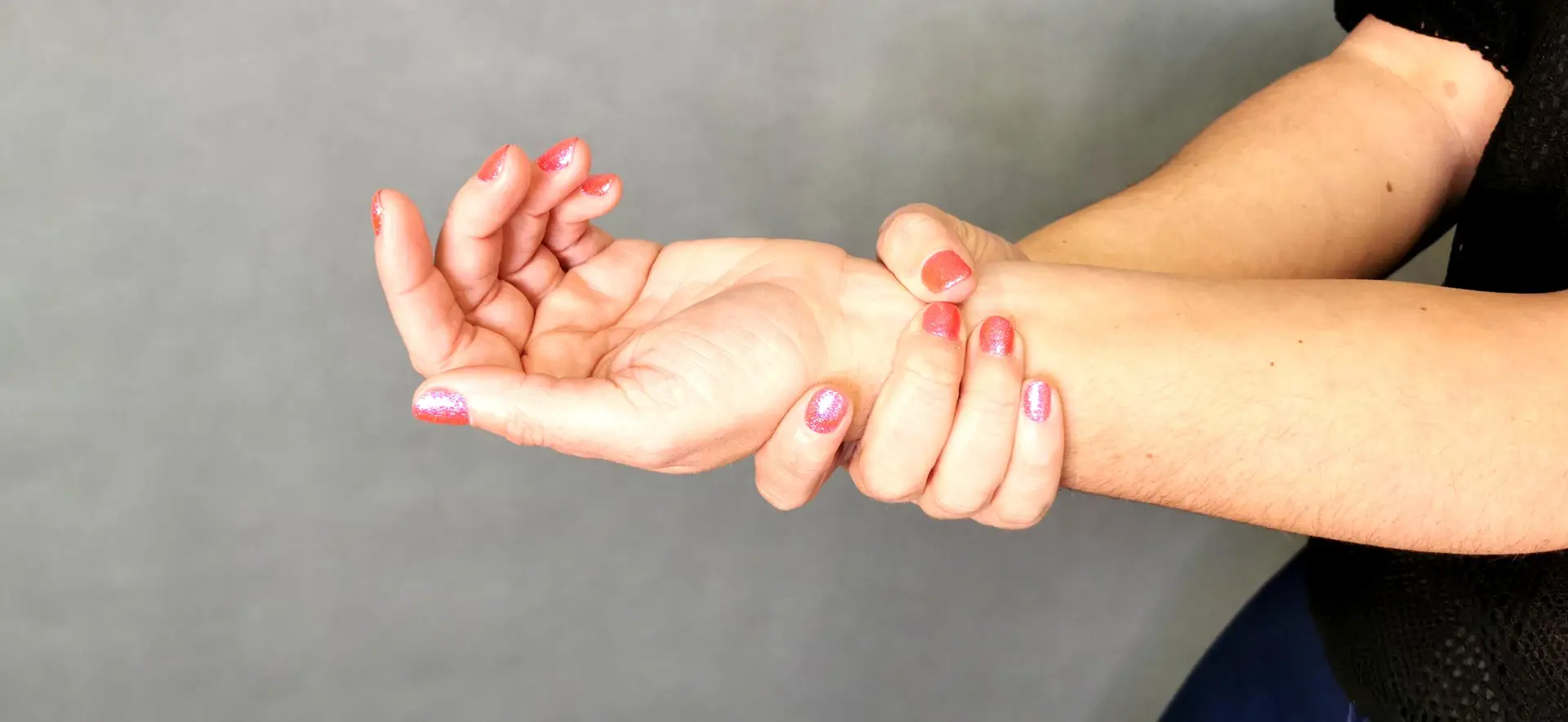
Carpal tunnel syndrome wrist pain Hamilton NZ

Carpal Tunnel Syndrome

Numbness · tingling · night waking · grip weakness

Carpal tunnel syndrome (CTS) occurs when the median nerve is compressed as it passes through the carpal tunnel — the narrow passage at the wrist. The median nerve supplies feeling to the thumb, index, middle, and part of the ring finger, and is responsible for thumb muscle strength. When it is compressed, the characteristic symptoms develop: numbness and tingling in the hand, often worse at night or on waking, and eventually weakness in grip and pinch.

Carpal tunnel syndrome is one of the most common conditions treated by hand surgeons. It is more frequent in women and in people with certain medical conditions including hypothyroidism, diabetes, and inflammatory arthritis. It also occurs in pregnancy.

Treatment options

Conservative first
  • Night splinting — keeps the wrist in a neutral position and relieves nocturnal symptoms in many patients
  • Steroid injection — often provides good short-to-medium term relief, particularly in milder cases
  • Activity modification
Carpal tunnel release
  • When conservative measures fail or symptoms are severe
  • Dividing the transverse carpal ligament to decompress the nerve
  • Performed under local anaesthetic — day procedure
  • Fixed cost: $2,358 all-inclusive
  • Prompt symptom relief in most cases; full strength recovery over weeks to months

Surgery is indicated when symptoms are persistent despite splinting and injection, when there is progressive weakness or muscle wasting, or when nerve conduction studies confirm significant compression. Recovery of tingling and numbness is usually prompt; recovery of grip strength takes longer.

Carpal tunnel release: $2,358 all-inclusive (surgeon, local anaesthetic, in-rooms theatre, nursing, dressings, follow-up). Consultation fee separate. Southern Cross cover may apply — Dr Yaprak is a Southern Cross Affiliated Provider.
De Quervain's tenosynovitis thumb wrist pain

De Quervain's Tenosynovitis

Thumb-side wrist pain · new mothers · repetitive use

De Quervain's tenosynovitis affects the tendons on the thumb side of the wrist — specifically, the abductor pollicis longus and extensor pollicis brevis, which pass through a tight compartment at the base of the thumb. When this compartment becomes inflamed and thickened, movement of the thumb and wrist causes pain and sometimes a catching sensation.

It is particularly common in new mothers (possibly related to the repetitive lifting of infants and to post-pregnancy hormonal changes), but can affect anyone with repetitive thumb or wrist use. The Finkelstein test — bending the thumb across the palm and tilting the wrist — is the characteristic diagnostic test: it reproduces the pain immediately in positive cases.

Treatment options

Conservative first
  • Thumb spica splint and activity modification
  • Anti-inflammatory medication
  • Corticosteroid injection into the first extensor compartment — effective in up to 80% of cases
  • Physiotherapy
Surgical release
  • When injection and splinting have not provided lasting relief
  • Release of the first extensor compartment sheath
  • Performed under local anaesthetic — day procedure
  • High success rate; complications are uncommon
De Quervain's release pricing is provided at consultation. Please contact us to discuss.
Trigger finger pulley release Hamilton NZ

Trigger Finger (Pulley Release)

Clicking · locking · morning stiffness · catching

Trigger finger — technically stenosing tenosynovitis — occurs when the flexor tendon catches on the A1 pulley at the base of the finger, causing a characteristic clicking, locking, or catching sensation when bending and straightening the finger. In more severe cases the finger may lock in a bent position and require passive straightening. It can affect any finger and is more common in people with diabetes, rheumatoid arthritis, and in women over 50.

Trigger finger is often worse in the morning. Multiple fingers can be affected at once. The condition ranges from mild (occasional clicking) to severe (finger locked in flexion).

Treatment options

Conservative first
  • Splinting the finger in extension, particularly at night
  • Corticosteroid injection into the tendon sheath — often highly effective, particularly for early or mild cases
  • Activity modification
A1 pulley release
  • When triggering persists or recurs despite injection
  • Small incision at the base of the finger to divide the A1 pulley
  • Performed under local anaesthetic — day procedure
  • Very reliable and prompt resolution of triggering
Trigger finger release pricing is provided at consultation. Please contact us to discuss.
Cubital tunnel ulnar nerve elbow surgery Hamilton NZ

Cubital Tunnel Syndrome

Ulnar nerve · elbow compression · little finger numbness

Cubital tunnel syndrome is the second most common nerve compression condition of the upper limb after carpal tunnel syndrome. It occurs when the ulnar nerve — which passes around the inside of the elbow — becomes compressed or irritated at the cubital tunnel. The ulnar nerve supplies feeling to the little finger and the ring finger (the little-finger side), and powers the small muscles of the hand responsible for fine pinch and grip strength.

Symptoms include numbness and tingling in the little and ring fingers, aching at the inner elbow, and in more advanced cases, weakness of grip and a clawing position of the little and ring fingers. Symptoms are often worse when the elbow is held bent for prolonged periods — such as while sleeping, talking on the phone, or driving.

Treatment options

Conservative first
  • Elbow pad to protect the nerve
  • Night splinting with the elbow in extension
  • Activity modification — avoiding prolonged elbow flexion
Cubital tunnel release
  • When symptoms persist, progress, or cause functional weakness
  • Decompression of the ulnar nerve at the elbow
  • May include transposition of the nerve if indicated
  • Day surgery under local or general anaesthetic
Cubital tunnel surgery pricing is provided at consultation. Please contact us to discuss.
Wrist arthroscopy surgery Hamilton NZ — Dr Bülent Yaprak

Wrist Arthroscopy

TFCC tears · ligament injuries · wrist arthritis · diagnostic

Wrist arthroscopy is a minimally invasive surgical technique in which a small fibre-optic camera (arthroscope) is inserted through tiny incisions in the wrist to visualise and treat the structures inside the joint. It is used for conditions that are difficult to assess or treat through open surgery, or where a minimally invasive approach offers faster recovery.

Dr Yaprak trained in wrist arthroscopy with Prof. Christophe Mathoulin at the Institut de la Main in Paris — one of the most respected wrist arthroscopy centres in the world — and has attended IRCAD arthroscopy courses in both Strasbourg and Taiwan. Wrist arthroscopy is a technically demanding procedure that rewards dedicated training.

Conditions treated with wrist arthroscopy

  • TFCC tears (triangular fibrocartilage complex) — a common cause of ulnar-sided wrist pain, particularly after a fall or twisting injury
  • Scapholunate ligament tears — can cause instability and pain in the wrist after injury
  • Wrist arthritis — débridement and washout of the joint
  • Loose bodies — fragments of cartilage or bone causing pain or locking
  • Ganglion cysts — internal (intraarticular) ganglions can be excised arthroscopically
  • Diagnostic arthroscopy — when imaging (MRI, X-ray) has not provided a clear answer

What the procedure involves

Wrist arthroscopy is performed under general or regional anaesthetic at Braemar Private Hospital. Small portals are made around the wrist through which the camera and instruments are introduced. It is a day procedure in most cases. Recovery depends on what was found and treated — some patients return to light activities within a few weeks; others require a period of splinting and physiotherapy.

Wrist arthroscopy pricing depends on the complexity of the procedure and is provided as an all-inclusive written quote after consultation. Please contact us to discuss.
Tendon repair hand surgery Hamilton NZ — Dr Bülent Yaprak

Tendon Repair, Reconstruction & Transfer

Lacerations · ruptures · reconstruction · function restoration

The tendons of the hand are responsible for every movement of the fingers and thumb. Flexor tendons bend the fingers; extensor tendons straighten them. Both can be cut, ruptured, or damaged by injury, and both require skilled surgical repair to restore function.

Tendon repair is one of the most technically demanding areas of hand surgery. The repair must be strong enough to allow early movement, yet fine enough not to impede the tendon's gliding. Timing also matters — the sooner a cut tendon is repaired, the better the outcome, as scar tissue forms quickly and can complicate late repairs.

Types of tendon surgery

  • Primary repair — direct repair of a cleanly cut tendon, ideally within 24–48 hours of injury. Both ends are found and sutured together using fine, strong suture techniques designed to allow early controlled movement
  • Delayed primary repair — performed a few days after injury when immediate surgery was not possible. Still achieves good outcomes if performed before significant scarring has occurred
  • Secondary repair with tendon graft — when a section of tendon has been lost or damaged beyond direct repair, a tendon graft (taken from the palmaris longus or plantaris tendon, for example) can bridge the gap and restore movement
  • Tendon transfer — when a tendon or the muscle that drives it is irreparably damaged, a functioning tendon from a nearby muscle can be rerouted to take over the lost function. This is a highly specialised technique used for nerve injury, tendon loss, or after conditions such as rheumatoid arthritis. Dr Yaprak trained in tendon transfer surgery during his Middlemore fellowship and his plastic surgery training at Istanbul University
  • Extensor tendon repair — extensor injuries on the back of the hand or fingers can often be repaired under local anaesthetic. Mallet finger (a ruptured extensor at the fingertip) is a common injury that may be treated with splinting or surgical repair depending on severity

What to expect

Tendon repairs are performed at Braemar Private Hospital under general or regional anaesthetic. After surgery, a protective splint is applied and early controlled movement is started under the supervision of a hand therapist — this is important for preventing the repaired tendon from becoming stuck in scar tissue. Full tendon healing takes approximately three months. ACC covers tendon injuries sustained through accident — Dr Yaprak accepts ACC patients with no surcharge.

Tendon surgery pricing depends on the type of repair, the tendons involved, and the complexity of the case. All cases referred through ACC incur no surcharge. Please contact us or call 07 838 8984 to discuss.
Hand fracture repair surgery Hamilton NZ — Dr Bülent Yaprak

Hand & Wrist Fracture Repair

Finger fractures · metacarpal fractures · scaphoid · wrist fractures

Fractures of the hand and wrist are among the most common injuries seen in plastic and hand surgery practice. Many fractures of the fingers and hand can be treated non-operatively with splinting or casting — but some fractures are displaced, unstable, or involve joint surfaces in a way that makes surgical fixation necessary to achieve the best outcome.

Dr Yaprak assesses each fracture individually. The goal is always the least invasive treatment that will achieve a stable, well-aligned result and allow early rehabilitation. For straightforward fractures, this may mean a properly applied splint and close follow-up. For more complex injuries, surgical fixation restores alignment and allows earlier movement — which matters enormously for hand function.

Types of fracture surgery

  • Closed reduction — realigning the bone through manipulation under local or general anaesthetic, then immobilising with a splint or cast. No incision required
  • K-wire fixation — fine wires inserted through the skin to hold the bone in place while it heals. Minimally invasive, usually removed in clinic after 4–6 weeks
  • Open reduction and internal fixation (ORIF) — a small incision is made to directly visualise and realign the fracture, then held with plates, screws, or both. Used for significantly displaced fractures, fractures involving the joint surface, or those that cannot be held in position with closed means
  • Scaphoid fixation — the scaphoid is the small wrist bone most commonly fractured in a fall on an outstretched hand. Scaphoid fractures can be deceptive — they may appear minor but have a high rate of non-union if not properly treated. Surgical fixation with a headless compression screw provides stable fixation and allows earlier return to function

ACC and fracture repair

Most hand and wrist fractures occurring through an accident are covered by ACC. Dr Yaprak accepts ACC patients for fracture surgery with no ACC surcharge. A GP or emergency department referral is helpful and supports your ACC claim. Please bring your ACC claim number and any X-rays or CT scans to your consultation.

ACC-covered fracture surgery incurs no surcharge. For privately funded cases, pricing depends on the type of fixation required and is provided as a written all-inclusive quote. Please contact us to discuss.
Where procedures are performed

In-rooms at Waikato Specialist Centre — or Braemar Private Hospital

Most common hand procedures can be performed in Dr Yaprak's in-rooms theatre at Waikato Specialist Centre under local anaesthetic — no hospital admission, no general anaesthetic, no overnight stay. More complex cases are performed at Braemar Private Hospital.

In-rooms — Waikato Specialist Centre

83c Tristram Street, Hamilton Central

Performed under local anaesthetic. You arrive, have the procedure, and go home the same day. No fasting required. No general anaesthetic.

  • Needle aponeurotomy (Dupuytren's)
  • Carpal tunnel release
  • Trigger finger (pulley release)
  • Many De Quervain's releases
  • Minor tendon and wound repairs

Braemar Private Hospital

General or regional anaesthetic — day surgery

Larger or more complex hand procedures performed at Braemar with a full anaesthetic and surgical team. Day surgery in most cases.

  • Dupuytren's fasciectomy
  • Cubital tunnel release
  • Wrist arthroscopy
  • Tendon repair, reconstruction & transfer
  • Fracture fixation (K-wire, ORIF, scaphoid)
ACC & funding

ACC — no surcharge

Many hand and wrist conditions treated by Dr Yaprak arise from injury — lacerations, fractures, tendon damage, and nerve injuries. These are frequently covered by ACC, New Zealand's Accident Compensation scheme.

Dr Yaprak accepts ACC patients for hand surgery with no ACC surcharge. This means your out-of-pocket cost for covered procedures is significantly reduced — ACC pays the majority of the surgical fee, with no additional levy charged by this practice.

To access ACC-funded hand surgery, you will generally need a referral from your GP or the emergency department where you were first seen. Your GP will lodge the ACC claim and, if the injury is accepted, can refer you to Dr Yaprak for surgical assessment and treatment.

Preferred pathway: See your GP first. Your GP can assess the injury, lodge the ACC claim, and refer you directly to Dr Yaprak. If you have already been to an emergency department, bring your discharge summary and any X-rays or imaging to your appointment. Please also bring your ACC claim number if one has been assigned.

Commonly ACC-covered hand procedures

  • Tendon lacerations and ruptures
  • Finger and hand fractures
  • Scaphoid fractures
  • Wrist ligament injuries (TFCC, scapholunate)
  • Nerve injuries to the hand
  • Skin and soft tissue reconstruction after trauma

ACC coverage depends on the nature of the injury and ACC's acceptance of the claim. Degenerative conditions (e.g. carpal tunnel syndrome, Dupuytren's contracture) are generally not ACC-covered but may be covered by health insurance.

Southern Cross Health Insurance

Dr Yaprak is a Southern Cross Affiliated Provider. Carpal tunnel release and many other hand surgery procedures are eligible for Southern Cross cover. For ACC-covered injuries, Dr Yaprak charges no ACC surcharge. Bring your policy details or ACC claim number to your consultation — we will advise on cover and assist with the documentation.

Why patients choose Dr Yaprak for hand surgery

Fellowship trained. Conservative approach. Surgical precision.

🎓

Dedicated hand surgery fellowship

Full year as Hand Surgery Fellow at Middlemore Hospital — one of New Zealand's busiest hand and wrist units

✈️

International training

Wrist arthroscopy training with Prof. Christophe Mathoulin in Paris — one of the world's leading wrist arthroscopy surgeons

🤝

Conservative first

Surgery only when conservative measures have failed or the anatomy makes non-surgical treatment unlikely to succeed

💳

Southern Cross affiliated

Carpal tunnel and many hand procedures covered. Dr Yaprak provides the documentation required for your claim

What to expect

From first appointment to recovery

Hand conditions vary enormously — from a single injection visit to a planned surgical procedure with hand therapy follow-up. Here is the typical pathway.

1

Consultation

Dr Yaprak examines the hand, reviews any imaging or nerve conduction studies, and discusses your symptoms and functional goals. He will explain your diagnosis clearly and outline the treatment options — conservative and surgical — with honest advice about what is likely to help.

2

Conservative treatment or surgical planning

Where appropriate, conservative treatment is tried first — splinting, physiotherapy, steroid injection. If surgery is recommended, a written all-inclusive quote is provided and a surgical date is arranged.

3

Surgery

Simpler procedures — carpal tunnel release, trigger finger, needle aponeurotomy, most De Quervain's releases — are performed in-rooms at Waikato Specialist Centre under local anaesthetic. No hospital stay, no general anaesthetic. More complex procedures (fasciectomy, cubital tunnel, wrist arthroscopy, tendon repair, fracture fixation) are performed at Braemar Private Hospital.

4

Recovery & hand therapy

Suture removal and wound checks are included. For procedures requiring structured rehabilitation, Dr Yaprak works with hand therapists to support your recovery. Dressings, splints, and follow-up appointments are all coordinated through the practice.

Common questions

Hand surgery — frequently asked questions

How do I know if I need hand surgery or if conservative treatment will work? +
This is exactly the question Dr Yaprak addresses at consultation. His approach is to try conservative measures first — splinting, physiotherapy, steroid injection — where they are likely to help. Surgery is recommended when conservative treatment has not provided adequate or lasting relief, when there is progressive functional loss or nerve damage, or when the anatomy of the problem makes non-surgical treatment unlikely to succeed. Many hand conditions do not need surgery, and Bülent will tell you honestly if that's the case.
Do I need a GP referral for hand surgery? +
A GP referral is not required to book a consultation, but it is strongly preferred — particularly for ACC-covered injuries and Southern Cross claims, where a GP referral is usually required for cover to apply. Your GP can lodge your ACC claim, refer you directly, and provide important clinical context. Please bring your GP letter, ACC claim number (if applicable), and any X-rays, MRI reports, or nerve conduction study results to your appointment.
Is carpal tunnel surgery covered by Southern Cross? +
Carpal tunnel release is one of the most commonly covered hand procedures under Southern Cross health insurance — Dr Yaprak is a Southern Cross Affiliated Provider. Bring your policy details to your consultation and we will advise whether your procedure qualifies and assist with the pre-authorisation process. The fixed cost for carpal tunnel release is $2,358 all-inclusive.
What is the difference between needle aponeurotomy and fasciectomy for Dupuytren's? +
Needle aponeurotomy (also called needle fasciotomy) uses a fine needle to divide the Dupuytren's cord under local anaesthetic in-rooms — no incision, faster recovery, lower cost, but a higher rate of recurrence over time. Fasciectomy surgically removes the diseased tissue, provides more complete correction, and has a lower recurrence rate but requires a longer recovery and is more involved. The best choice depends on the severity of your contracture, the fingers affected, and your overall health. Dr Yaprak will discuss both options at consultation.
How long off work will I need after hand surgery? +
This varies considerably by procedure and the demands of your work. Carpal tunnel release: desk work in 1–2 weeks, manual work 4–6 weeks. Trigger finger release: desk work within 1–2 weeks. Dupuytren's needle aponeurotomy: light use within days. Dupuytren's fasciectomy: 2–4 weeks depending on extent. De Quervain's release: 2–3 weeks. Wrist arthroscopy: 2–6 weeks depending on what was treated. Dr Yaprak will give you a personalised estimate at your pre-operative appointment.
Will I need hand therapy after surgery? +
For simpler procedures like carpal tunnel release or trigger finger, formal hand therapy is not always required — though exercises and guidance on scar management are provided. For more complex cases such as Dupuytren's fasciectomy, wrist arthroscopy, or cubital tunnel surgery, hand therapy is an important part of recovery and Dr Yaprak will coordinate a referral as part of your care plan.
Does ACC cover hand surgery — and is there a surcharge? +
Yes — many hand and wrist injuries are covered by ACC, including tendon lacerations, fractures, scaphoid injuries, and wrist ligament injuries. Dr Yaprak accepts ACC patients for hand surgery with no ACC surcharge. The preferred pathway is to see your GP first: your GP can assess the injury, lodge the ACC claim, and refer you to Dr Yaprak. If you have been to an emergency department, bring your discharge summary and ACC claim number. Note that degenerative conditions like carpal tunnel syndrome and Dupuytren's contracture are generally not ACC-covered (though they may be covered by health insurance).
Which procedures can be done in-rooms, and which need hospital? +
Carpal tunnel release, trigger finger release, needle aponeurotomy for Dupuytren's, and most De Quervain's releases are performed in-rooms at Waikato Specialist Centre under local anaesthetic — no fasting, no general anaesthetic, no overnight stay. More complex procedures including Dupuytren's fasciectomy, cubital tunnel release, wrist arthroscopy, tendon repair and reconstruction, and fracture fixation are performed at Braemar Private Hospital under general or regional anaesthetic as day surgery.
What training does Dr Yaprak have specifically in hand surgery? +
Dr Yaprak completed a dedicated Hand Surgery Fellowship at Middlemore Hospital, Auckland in 2011–2012 — one of New Zealand's busiest hand and wrist trauma and elective units. He also trained in wrist arthroscopy with Prof. Christophe Mathoulin at the Institut de la Main in Paris, attended IRCAD arthroscopy courses in Strasbourg and Taiwan, and regularly attends FESSH (the European Federation of Societies for Surgery of the Hand) conferences. His specialist plastic surgery training at Istanbul University included complex microsurgical procedures including digital replantations. He has also published research on hand surgery outcomes.

Ready to discuss your hand condition?

Book a consultation with Dr Yaprak — he will examine your hand, explain your diagnosis clearly, and give you an honest recommendation on whether surgery is the right next step.

Book a Consultation